Blockade off Marseille: Why the MSC Orchestra Had to Divert
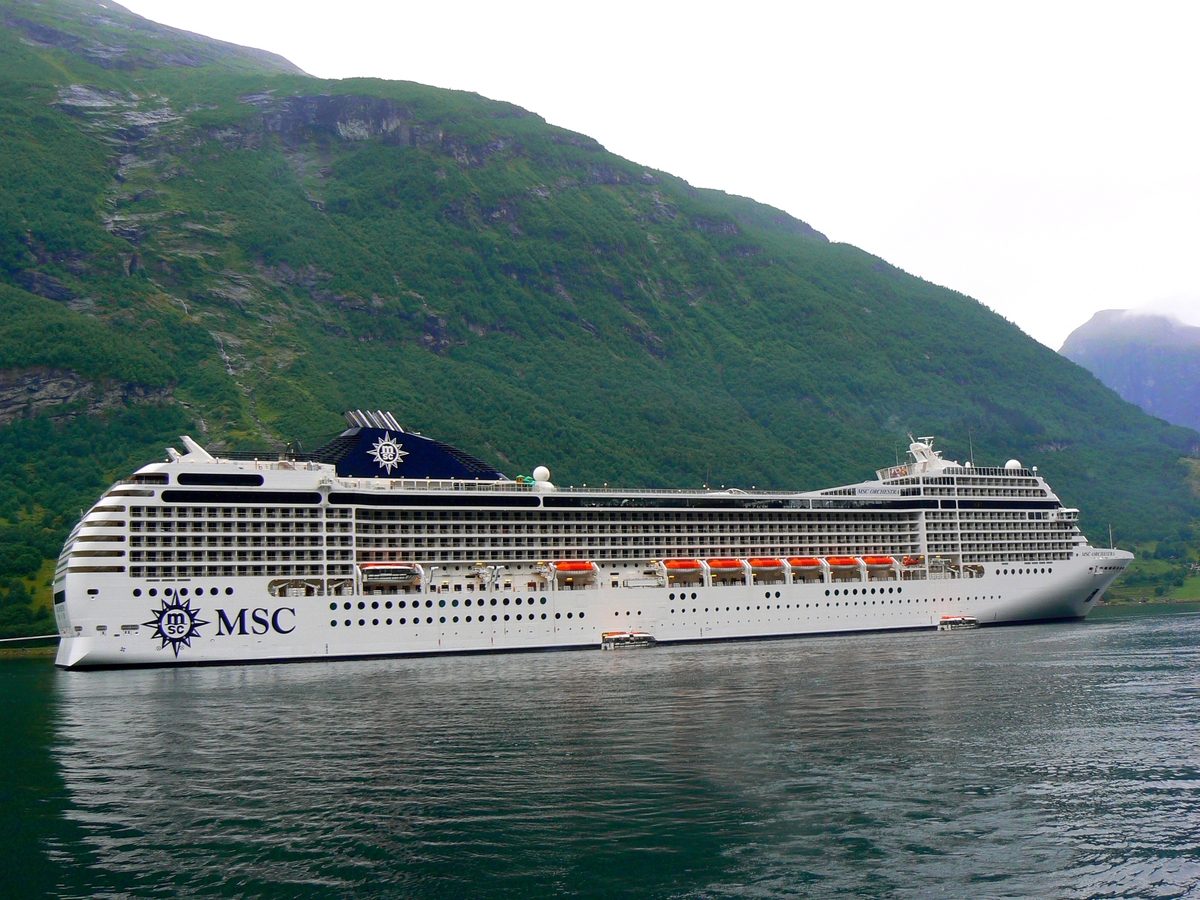
While the situation on board remained calm, it was frustrating for the approximately 2,800 guests. As the ship lay at anchor for hours, passengers were left with only the view over the railing: those looking to port (left) saw the unreachable French coast, while the open sea stretched out to starboard (right). An Italian school class was particularly affected, as their planned educational excursion fell through. At the same time, around 600 embarking guests waited in vain at the terminal, as port authorities could not grant docking permission due to safety concerns.
Around 8:00 PM, the cruise line had to pull the plug. With no agreement with the union in sight and safe docking not guaranteed in the darkness, the captain set course for the next scheduled port, Genoa. This triggered a massive logistical operation: passengers stranded in Marseille were transported by bus overnight to Italy to embark there—a journey of about five hours that was not on anyone's holiday itinerary.
This incident highlights how quickly maritime tourism can get caught in the crossfire of geopolitical and labor conflicts. Marseille, France's largest cruise port, must now fear for its reputation as a reliable destination. As long as questions regarding fair competition conditions and flag states in ferry traffic remain unresolved, the risk of further disruptions persists—much to the regret of vacationers who simply wanted to enjoy a relaxing time at sea.