Las Palmas: Europe's Largest Cruise Terminal Opens
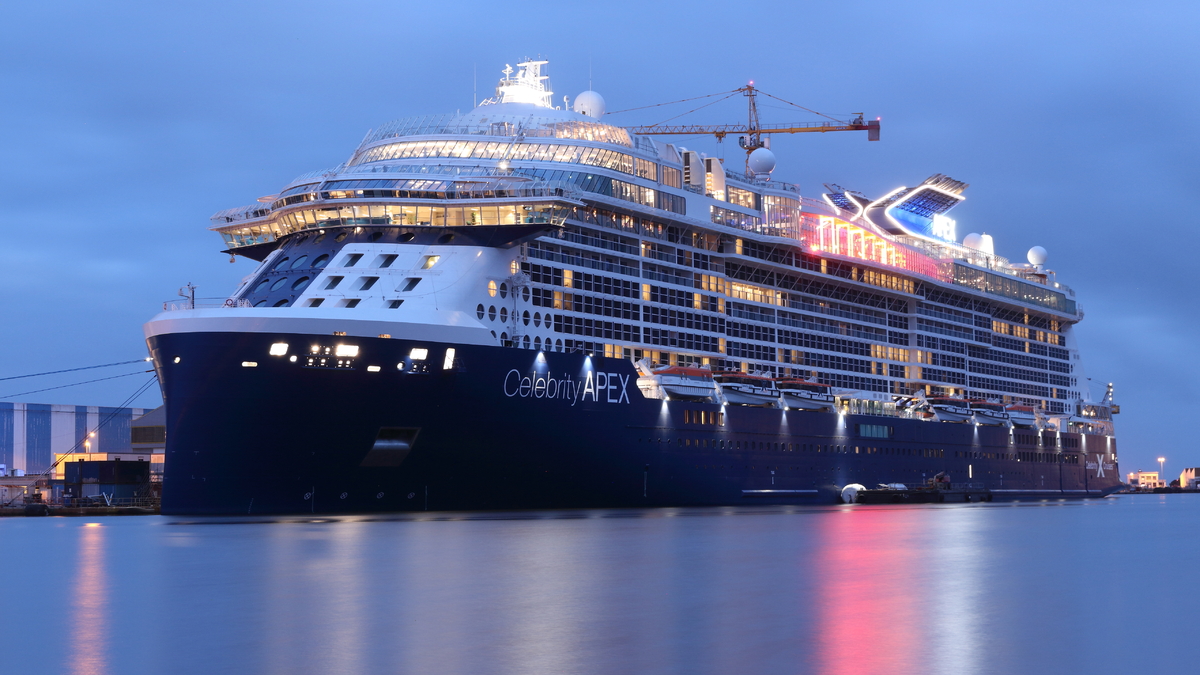
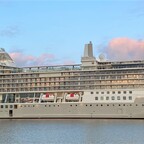
The new terminal is located at the Santa Catalina Pier and was specifically designed to handle both transit guests and passengers for homeporting operations. It is considered Europe's largest cruise terminal, as evidenced by its enormous capacity. Up to four ships can be handled simultaneously, and even the world's largest cruise ships can be accommodated here.
This capacity expansion is intended to increase the annual passenger volume to over 1.6 million. The terminal is designed to handle up to 10,000 passengers for embarkation and disembarkation, which is particularly important for homeporting operations. The passenger turnaround on the island brings significant benefits to the local economy. Guests often stay longer, book additional overnight stays, and spend more money.
The project is part of a larger investment by GPH in the Canary Islands, totaling 40 million euros. Of this, up to 32 million euros were invested solely in the construction of the new terminal in Las Palmas.
Despite the modern infrastructure and sustainable terminal construction, the project faces a major challenge: The connection to shore power, also known as Cold Ironing, is not currently possible at the Santa Catalina Pier. The island's power grid is simply not designed for the immense load required to shut down the ships' engines in port. This is in contrast to the European Union's sustainability goals and could limit the port's competitiveness in the future.
Nevertheless, the new cruise terminal is an important step for Las Palmas, solidifying its role as a central hub for cruises in the mid-Atlantic. It offers cruise lines such as Aida, TUI, Marella, and P&O the perfect base for their voyages.