The Cruise Comeback: 185,000 New Berths and the Propulsion Revolution
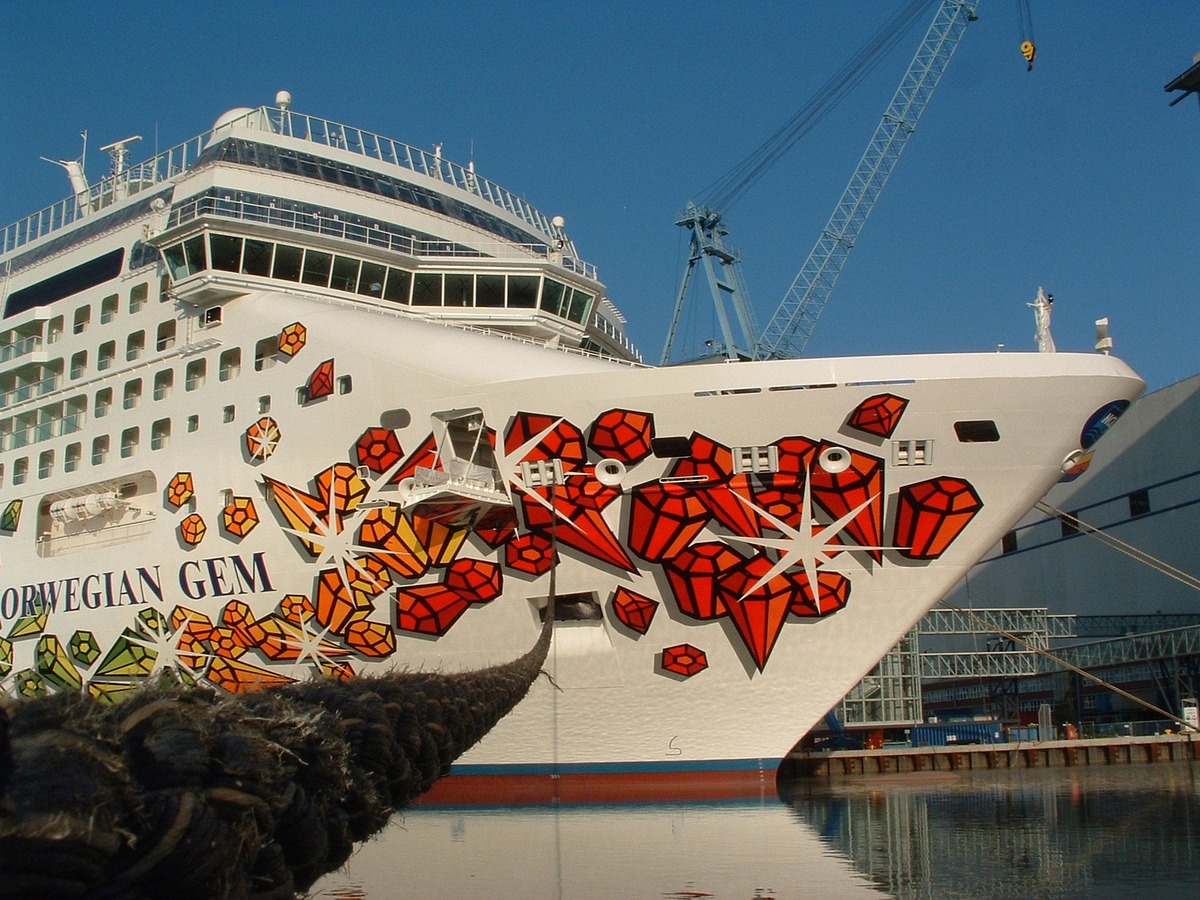
But why this immense effort? A look at the orders for 2026 reveals the real reason: almost two-thirds of the new ships (about 65 percent) are already designed to run on alternative fuels. This shows that companies see decarbonization not as a nice option, but as a necessary step into the future.
The engine driving this change is a set of new EU regulations. Stricter rules like the EU Emissions Trading System (ETS) and FuelEU Maritime have been in effect since the beginning of 2025. They ensure that more environmentally friendly ships are not just a good idea, but also make economic sense. The ETS makes CO₂ emissions expensive, while FuelEU Maritime directly mandates the use of cleaner fuels. Companies are therefore investing in modern ships to be able to operate profitably in Europe in the future.
This also impacts shipbuilding costs. In the past, you could get more berths for the same amount of money. Today, a large portion of the investment goes into expensive and complex environmental technology. While this makes the ships more costly, it also ensures they are ready for the future.
Many of the new ships, such as Royal Caribbean's Legend of the Seas or TUI Cruises' Mein Schiff Flow, are designed to use liquefied natural gas (LNG). This is currently the most cost-effective option for meeting the new emissions standards. However, LNG is a transitional technology. Experts are still debating the issue of "methane slip," which releases a greenhouse gas.
At the same time, the industry is experimenting with true pioneers: Viking's Viking Libra is set to become the world's first hydrogen-hybrid vessel, while the Disney Adventure is being prepared for green methanol propulsion. This demonstrates that cruise lines are betting on various technologies to be prepared for the future.
The biggest challenge, however, remains the infrastructure. There is simply a lack of the necessary quantities of hydrogen or methanol. Investing in different propulsion types is therefore also a form of hedging against these uncertainties.
Building these high-tech ships is a job for specialists. The major shipyards in Europe, such as Meyer Werft in Germany, Fincantieri in Italy, and Chantiers d'Atlantique in France, dominate this market. But even with full order books, these shipyards are under pressure. Rising material costs, supply chain issues, and a shortage of skilled labor are creating significant challenges.
An example of this is Meyer Werft, which required state aid of around one billion euros. This highlights how crucial support for these specialized shipyards is. After all, the cruise lines' future plans depend on the shipyards delivering these vessels on time and without major delays.