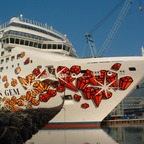
Environmental Offense on the Danube: Public Prosecutor Investigates River Cruise Company

The public prosecutor's investigation follows repeated inspections by the Passau Water Police and the Bavarian State Office for the Environment (LfU), which found serious defects in the wastewater treatment plants of cruise ships. During inspections in September 2025, officers on board several ships noticed a strong fecal odor and extreme turbidity in the wastewater. A quick test confirmed the suspicion: in one case, the legally permitted wastewater limits were exceeded fourfold.
To protect the environment, authorities took immediate action. The outlet valves of the affected treatment plants were sealed to prevent any further untreated wastewater from entering the Danube. The ships were only allowed to continue their journey if they disposed of their wastewater exclusively at designated collection points on land.
The public prosecutor's decision to initiate criminal proceedings is a clear signal. Instead of merely imposing a fine, the repeated offense is being classified as environmental crime. This increases the risk for those responsible, as they face not only heavy fines but also potential prison sentences.
Such incidents are a major problem for the entire industry. They damage the reputation of river cruising and raise questions about sustainability, which is becoming increasingly important for many travelers. Although the name of the company was not disclosed, the consequences are being felt throughout the Danube cruise industry.
The onboard wastewater treatment plants on the ships are quite complex. They use biological processes that require a stable environment to treat wastewater. If these processes are disrupted, for example, by technical defects, system overload, or incorrect chemicals, the system collapses. As a result, virtually unfiltered wastewater enters the river. The affected ships produce an enormous amount of wastewater, up to 40 cubic meters per day, which highlights the significant risk of massive, localized pollution.
The repeated problems with the cruise operator suggest that maintenance of the plants has been neglected. Since 2017, authorities in Bavaria have intensified their inspections, working closely with the water police and the environmental office. This strategy is proving successful: the number of ships with defects has been reduced from 40-50 percent to around 10 percent. The investigations against repeat offenders therefore serve not only as punishment but also as a deterrent.
Cruise operators are now under greater pressure to invest in the maintenance and technology of their systems. It is crucial to shift from reactive maintenance—acting only when problems arise—to proactive, preventive maintenance. This will help them avoid penalties and strengthen their image as environmentally conscious companies.