

HD Hyundai Accelerates European Market Entry with Fuel Cell Technology for Cruise Ships
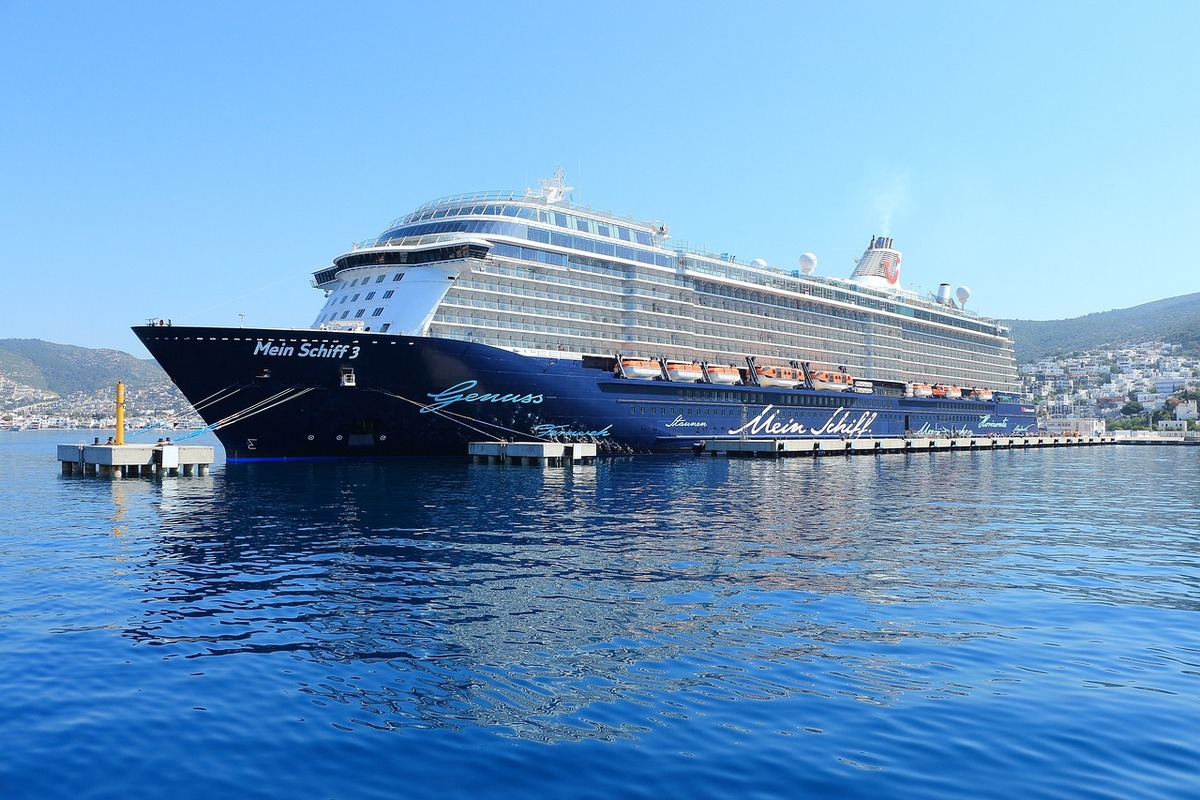
Recently, HD Hyundai's subsidiaries – HD Korea Shipbuilding & Offshore Engineering, HD Europe Research & Development Center, and HD Hydrogen – signed a pivotal Joint Development Project (JDP) agreement. The partners in this project are DNV, a globally recognized classification society, and TUI Cruises, a leading German cruise operator. The collaboration aims to evaluate the integration of Solid Oxide Fuel Cell (SOFC) systems on cruise ships.
Advantages of SOFC Technology
SOFC systems represent a highly efficient method for electricity generation. They directly convert chemical energy into electrical power through the reaction of hydrogen (derived from sources such as natural gas or ammonia) with oxygen, without a combustion process. This significantly reduces carbon and other pollutant emissions. Compared to conventional engine-based power generation systems, SOFC solutions offer not only superior efficiency but also environmental sustainability and economic benefits. Their low noise and vibration operation, coupled with high power generation efficiency, makes them particularly suitable for cruise ships, which have substantial energy demands.
HD Hyundai intends to bolster its global competitiveness by developing SOFC technology tailored for cruise ships. A particular focus is placed on the European market, characterized by stringent environmental regulations and high demand for eco-friendly shipping solutions. The market outlook for SOFC systems is promising: according to Grand View Research, the global SOFC market is projected to reach approximately 7.12 billion USD by 2030, with a Compound Annual Growth Rate (CAGR) of 40.7%. This growth is primarily driven by increasing demand and investments in clean energy solutions.
Project Progression and Future Plans
In the initial phase of the JDP, HD Korea Shipbuilding & Offshore Engineering and the HD Europe Research & Development Center will define safety standards for the application of SOFC systems on cruise ships over an eight-month period (from June this year to February next year). Meanwhile, HD Hydrogen, a specialized subsidiary focusing on hydrogen fuel cell technology, will comprehensively analyze the performance characteristics of its proprietary SOFC systems under various operating conditions.
Furthermore, HD Hyundai plans to develop technologies for recovering and reusing waste heat from SOFC systems, which operate at high temperatures between 600°C and 1,000°C. The company is also exploring solutions for partial reduction of CO2 emissions using Carbon Capture and Storage (CCS) technologies in conjunction with SOFC systems.
Within the project, DNV will support regulatory compliance and contribute to overall safety from the initial planning stages. TUI Cruises will provide specific data for SOFC deployment on cruise ships, as well as the necessary installation and operational specifications for practical application.
An HD Hyundai representative stated, "This international joint development project marks a crucial step to establish HD Hyundai's leading decarbonization technologies for ships in the European market. We aim to lead the initiative for decarbonizing the maritime industry with our low-carbon and highly efficient fuel cell technology."
Last year, HD Hyundai established HD Hydrogen to enter the hydrogen fuel cell market. The company is already collaborating with numerous global shipping companies to expand the deployment of SOFC systems across various vessel types.

