Miracle Survival in the Mediterranean: Odyssey of the Seas Passenger Rescued After 20 Hours
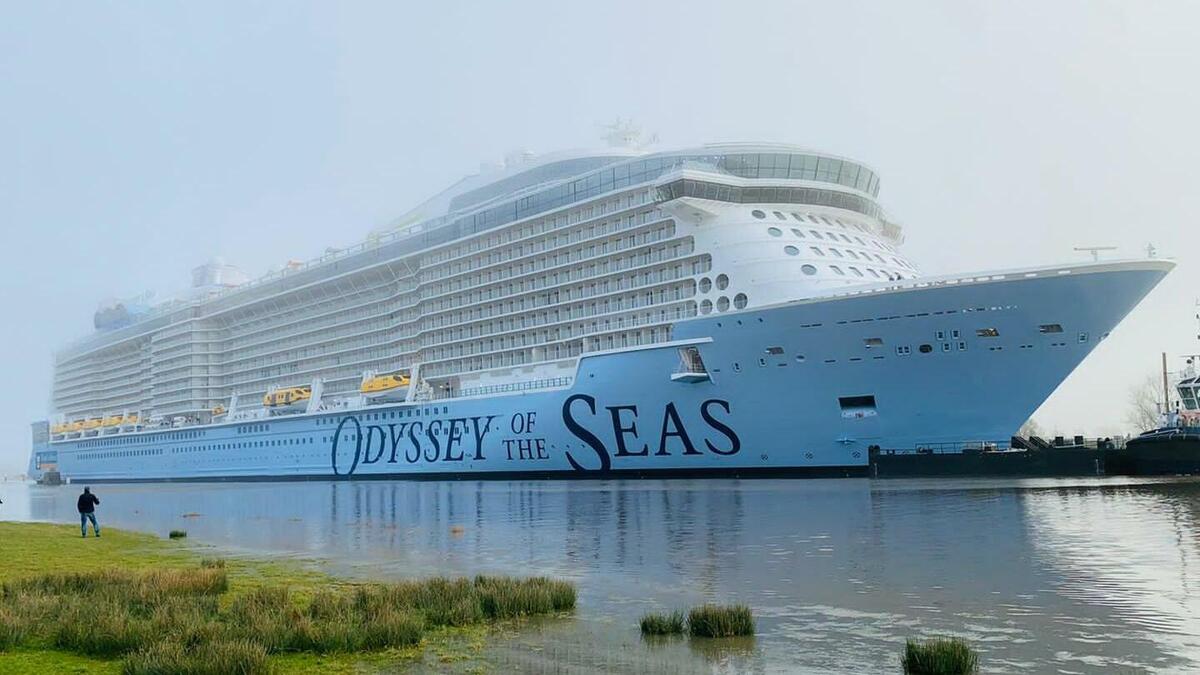
How could the passenger drift unnoticed in the ocean for so long? The incident occurred around 06:00 a.m., but her absence was not noticed until four hours later. Many modern cruise ships still rely on the retrospective analysis of surveillance cameras instead of utilizing automatic real-time sensors. Due to this massive loss of time, the Odyssey of the Seas had to scour a huge search area for a full 14 hours. Ultimately, the captain aborted the unsuccessful search during the night and canceled the scheduled stop in Naples.
The Salvadoran owes her survival to two crucial factors. Firstly, the water temperature was a mild 22 degrees Celsius, which prevented immediate and fatal hypothermia. Secondly, she grabbed one of the ship's lifebuoys before her jump. Its automatic LED light continued to function well beyond the legally required two hours. This persistent flashing in the dark night ultimately became her lifesaver.
But why did the woman end up in the sea in the first place? According to the Greek Coast Guard, the rescued passenger stated that she jumped intentionally simply because she wanted to "leave" the ship. This incident vividly demonstrates how excellently international maritime rescue chains operate. At the same time, it serves as a clear wake-up call for the entire cruise industry to urgently invest in AI-supported man-overboard alarm systems to save valuable time during future rescue efforts.