Port Canaveral at the Limit: How the Mega-Port Manages Six Cruise Ships Simultaneously
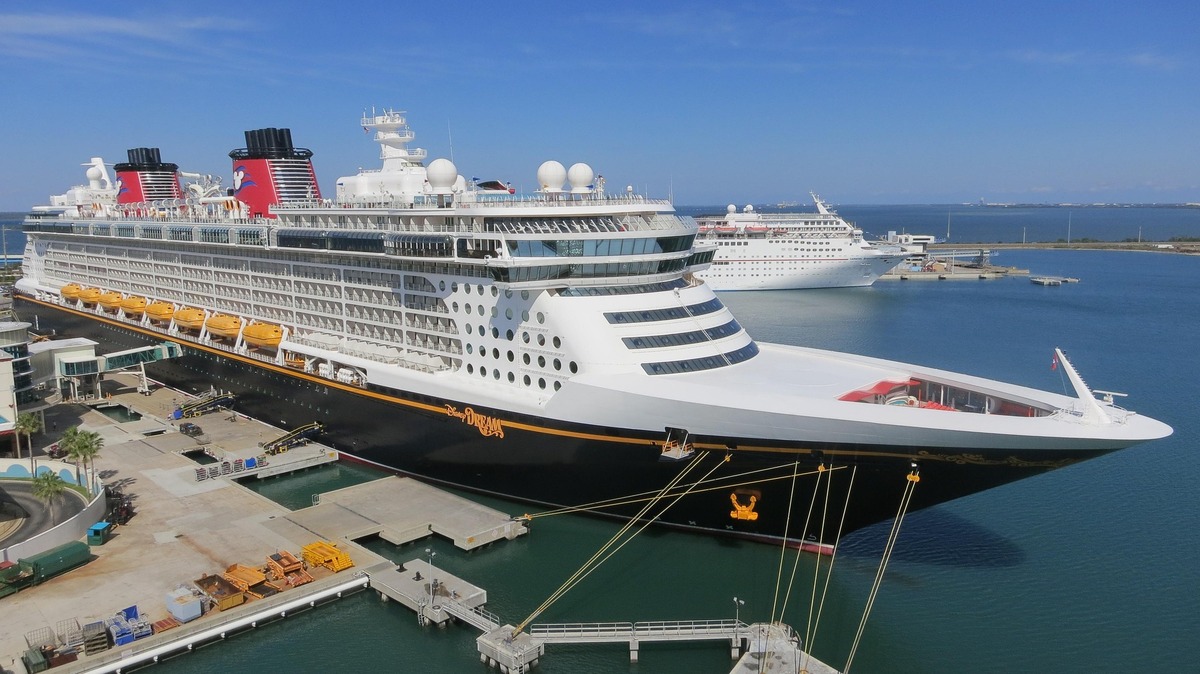
Smooth operations on the water are only possible through strict spatial segregation. The port strategically divides the massive vessels between a North and a South basin to prevent a complete logistical collapse. However, the real bottleneck lies on land: the SR-528 expressway is chronically congested. When the massive volume of cars and buses arriving for homeporting (passenger turnaround) collides with traffic generated by rocket launches at the nearby Kennedy Space Center, massive traffic jams are inevitable.
Interestingly, the port benefits immensely from passengers arriving by car. Parking fees have become one of the most vital and profitable revenue streams, bringing in more than twice the revenue of traditional cargo shipping. With expected parking revenues of over $61 million in 2026, these massive profits are funneled directly into a $912 million expansion plan, which includes new terminals and even larger parking garages.
Despite these economic successes, the port faces significant environmental challenges. While Port Canaveral is a true pioneer in modern ship-to-ship LNG (liquefied natural gas) bunkering, it falls far behind when it comes to shore power (cold ironing). While competitor ports like PortMiami are heavily investing in electrical connections, ships in Port Canaveral must keep their engines running to meet their power needs while docked. This lack of electrical grid infrastructure, combined with heavy traffic, is causing growing frustration among local residents.