

Amsterdam to Ban Ocean Cruise Ships by 2035: A Strategic Shift
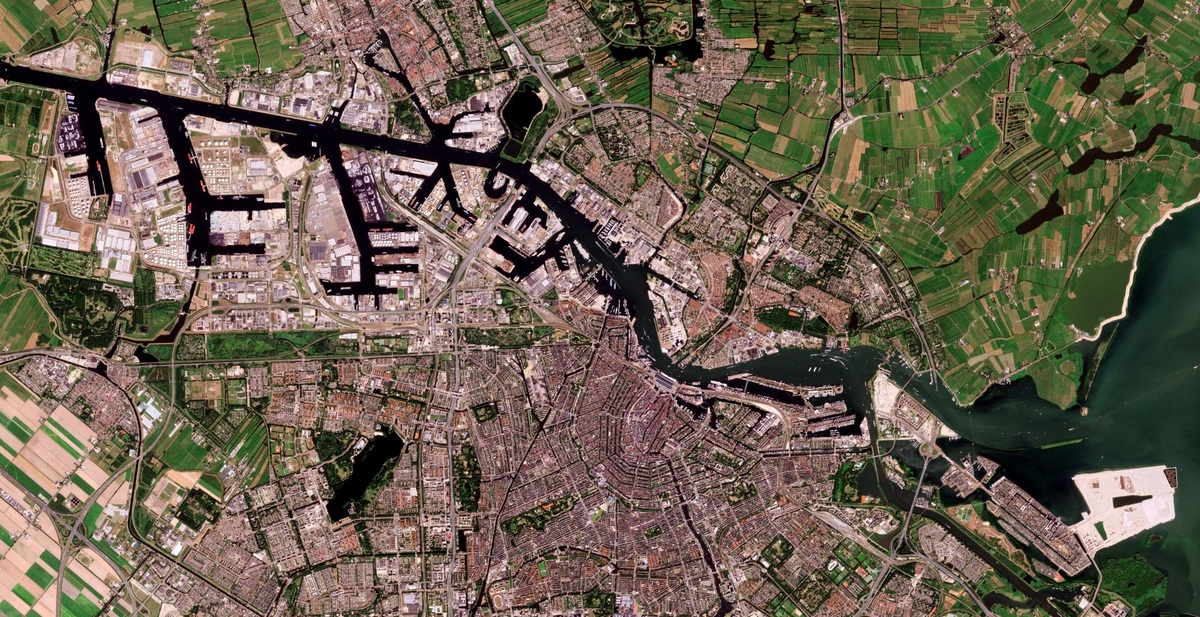
A major technical catalyst for this decision is the "Sprong over het IJ" project. Amsterdam aims to connect the rapidly growing district of Amsterdam-Noord to the city center via a permanent bridge. However, modern cruise ships are far too tall to pass under a bridge designed for cyclists and pedestrians. Faced with the choice between maintaining a cruise terminal and building essential city infrastructure, the administration has prioritized the mobility of its citizens.
The environmental impact played a crucial role. A single cruise ship at berth generates emissions equivalent to thousands of cars. To meet climate neutrality goals, Amsterdam will reduce calls to a maximum of 100 per year starting in 2026, leading to a total phase-out by 2035.
Economically, the city is shifting its focus from "quantity" to "quality." Instead of investing 85 million euros in a new terminal, the city plans to redevelop the prime waterfront at Veemkade for residential and high-end commercial use, including infrastructure for superyachts.
While the cruise industry (CLIA) expresses concern, neighboring ports such as Rotterdam and IJmuiden are expected to become the primary gateways for future cruise tourism in the region. For Amsterdam, however, the message is clear: urban quality of life and sustainability now take precedence over the interests of international cruise corporations.

