

Death on the Carnival Horizon: FBI Investigates Stepbrother
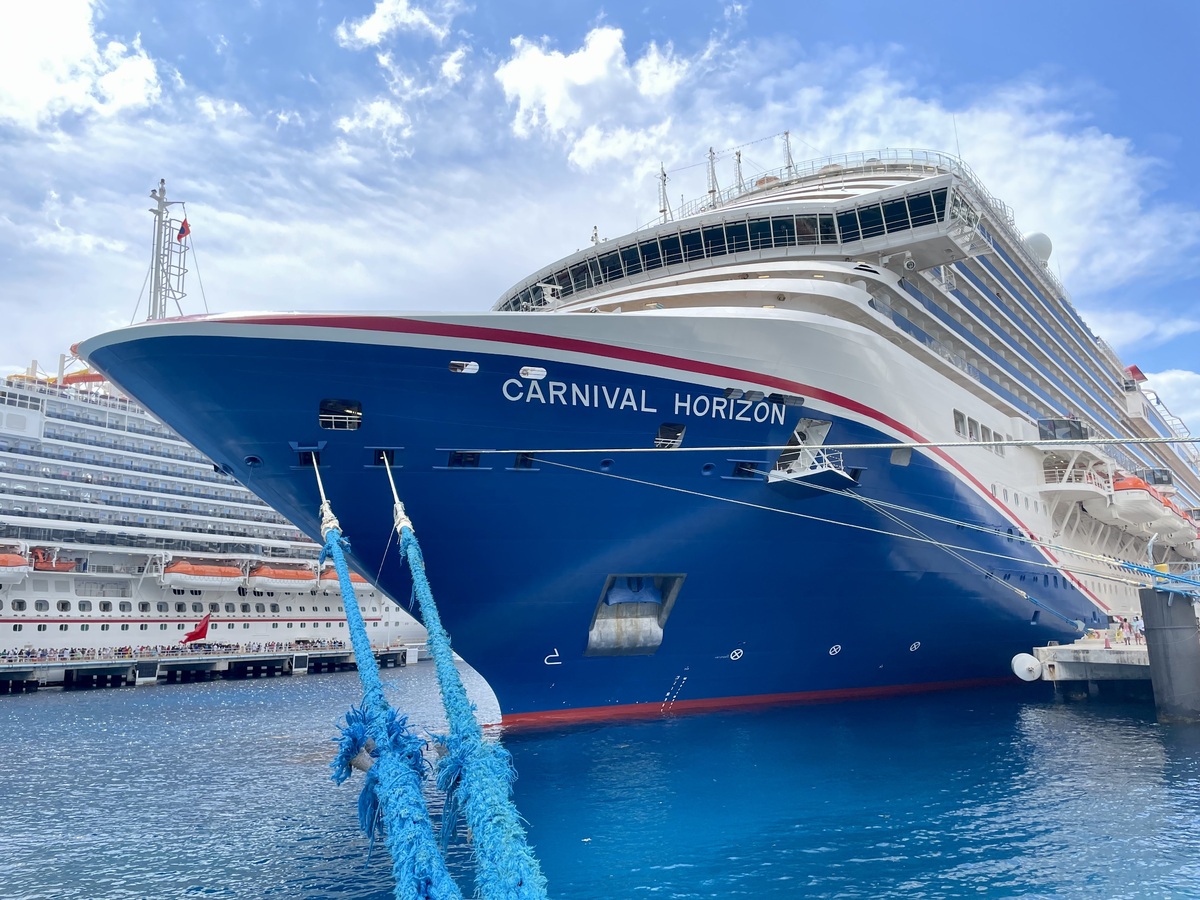
It is the kind of news that makes every cruise fan pause: a death on board that goes far beyond a medical emergency. An incident occurred on the Carnival Horizon in November 2025 that is now occupying US federal investigators and raising questions about safety in private cabins. What began as a relaxing vacation for a blended family from Florida ended with a murder investigation in international waters.
To contextualize the events, it is worth looking at the chronology reconstructed by the authorities. 18-year-old Anna Kepner was on the return leg of a six-day Caribbean cruise heading to Miami with her father, stepmother, and three step-siblings.
On the evening of November 6, the young woman complained of feeling unwell during dinner and retired alone to the family cabin. This was the last time she was seen alive by outsiders. On the following day, November 7, she did not appear for meals. according to their statements, the family assumed she was recovering in the cabin—a circumstance that raises questions given the limited square footage of a ship's stateroom. It was not until late in the day that she was reported missing.
The sad certainty only came after docking at PortMiami on the morning of November 8. When housekeeping staff entered the cabin to clean it for the next guests, the young woman's body was discovered. She had been hidden under a bed and covered with blankets and life jackets.
Since the incident occurred on the high seas, the FBI (Federal Bureau of Investigation) has assumed jurisdiction. Unlike crimes committed on land, it is not the local police but the federal agency that is in charge here.
Current court documents from a parallel divorce proceeding involving the stepmother point to a dramatic turn: investigators are focusing on the victim's minor stepbrother.
Investigators are relying on digital forensics, which is standard on modern cruise ships. In particular, the electronic door locks (VingCards) provide a seamless log of who entered the cabin and when. Together with surveillance cameras in the corridors, it is possible to determine exactly who was in the cabin at the time of death. The hiding of the body—referred to in criminology as "staging"—also suggests that the perpetrator wanted to buy time until the ship reached port.
The case also highlights a legal peculiarity that is important for travelers to know. Since the death occurred in international waters, the Death on the High Seas Act (DOHSA) applies.
This US law from 1920 severely limits civil claims by surviving dependents. It only allows compensation for concrete financial losses. Since the victim was a young student who did not yet generate income for the family, claims for pain and suffering against the cruise line—as would be possible on land—are legally difficult to enforce.
Conclusion
The Carnival Horizon has since resumed operations, and the crime scene has been released by authorities. For investigators, however, the real work is just beginning: the forensic analysis and the decision on whether the minor suspect will be charged as an adult.
For us as travelers, the realization remains that while modern cruise ships are among the safest vacation spots, social conflicts can escalate there too. However, the seamless electronic surveillance on board is likely to be the key to solving this tragic case quickly.

