Shore Power in Europe’s Ports: Why Progress is Stalling
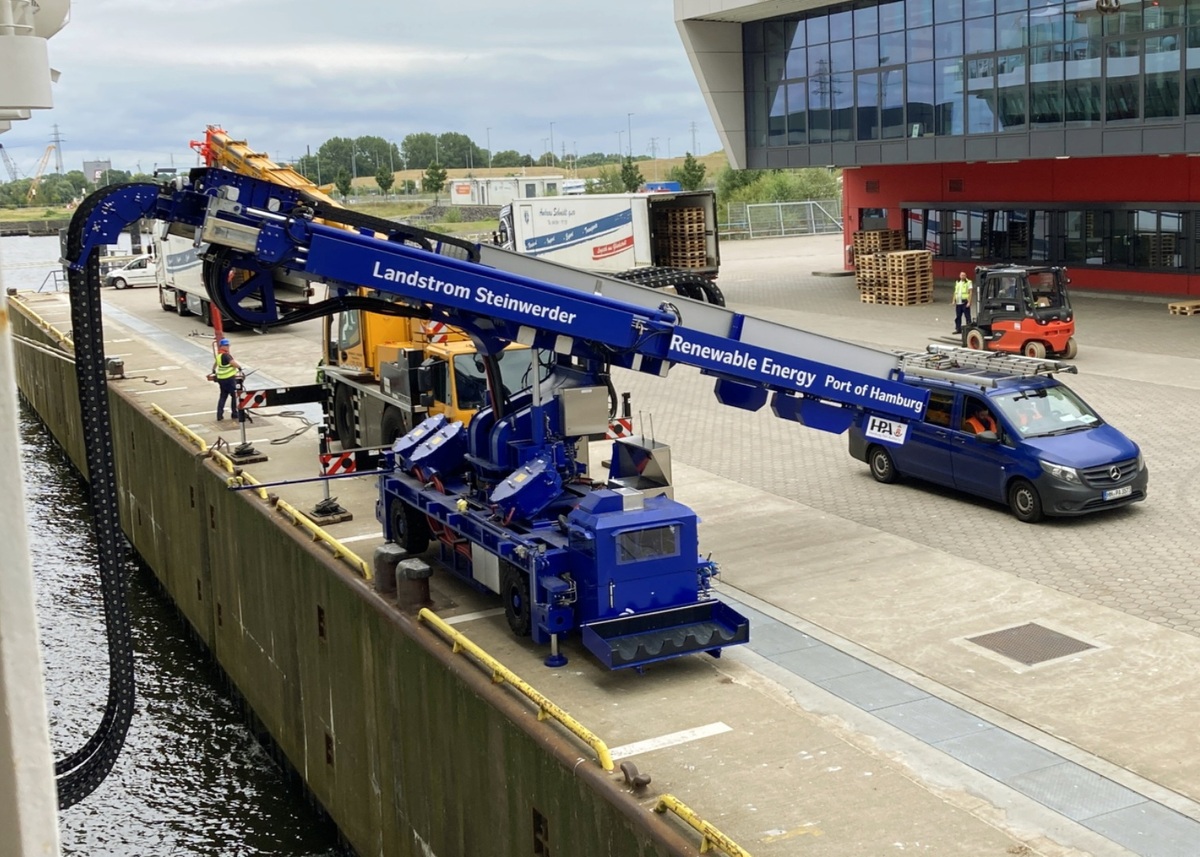
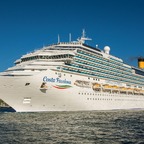
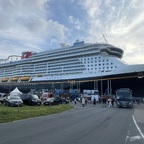
Aida has already put significant funds into ships that can use shore power. This means they can switch off their diesel engines in port and instead draw power from the land. This not only reduces noise but also emissions like nitrogen oxides and fine dust, which is a great benefit for people in port cities. However, the expensive technology on board is of little use if ports lack the right connections.
According to the international cruise association CLIA, only 19 ports in Europe currently have shore power facilities. The distribution is highly uneven. While Northern Europe is leading—with Norway having five and Germany three facilities—many other major ports in Southern Europe and the Mediterranean are lagging behind. This means Aida and other cruise lines cannot operate their modern ships as sustainably as they would like in most places.
This issue affects more than just cruise companies. Port cities and political leaders are also impacted.
- For the Cruise Industry: Cruise lines cannot fully utilize their costly investments and risk being perceived as less sustainable than they could be. This harms their reputation, and their "green" promises might seem hollow.
- For the Cities: Local air quality continues to suffer from the exhaust of ships that have to run their generators in port. This diminishes the appeal of port cities and makes it harder to achieve their own climate goals.
- For Policy: The slow progress shows that voluntary measures are not enough. A coordinated, continent-wide strategy is urgently needed to accelerate expansion. Otherwise, stricter laws might be passed, which would then cause problems because the infrastructure isn't ready.
Felix Eichhorn, who has worked at Aida for over 20 years and holds a leading role in the wider travel industry, speaks from a place of deep experience. His warning is a call to action for all stakeholders: politics, ports, and companies must work together. Only by doing so can we achieve ambitious climate goals and make seafaring more sustainable