

Star of the Seas: A New Cruise Giant Christened by an Astronaut
The highlight of the christening was the choice of the ship's godmother. Originally, music legend Diana Ross was set to give the ship her blessing. However, after a last-minute cancellation, RCI made a bold and brilliant decision: instead of another entertainment figure, research astronaut Kellie Gerardi was named the godmother.
This choice is a masterstroke of marketing. The ship's name, "Star of the Seas," its homeport on Florida's "Space Coast," and an astronaut as its godmother—it all fits together perfectly. It sends a clear message: Royal Caribbean is looking to the future, promising adventure and a spirit of exploration. With this, the cruise line specifically targets a younger audience seeking authentic experiences.
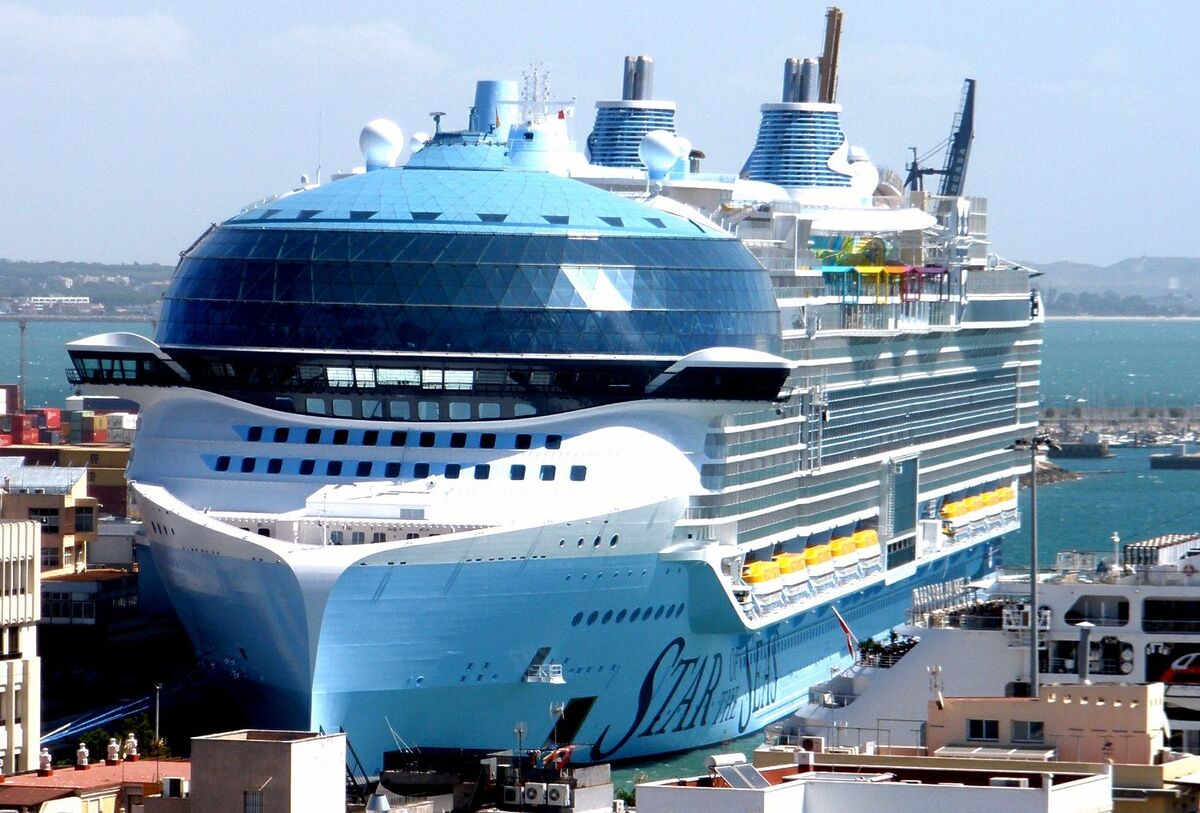
Like its sister ship, the Icon of the Seas, the Star of the Seas sets new standards. Built at the Meyer Turku shipyard in Finland, it is a floating metropolis.
- Passengers: Up to 7,600 guests
- Crew: Approximately 2,350 members
- Length: Nearly 365 meters (1,198 feet)
- Decks: 20, with 18 accessible to passengers
- Propulsion: More environmentally friendly Liquefied Natural Gas (LNG)
To prevent a feeling of crowding with so many people on board, the ship is divided into eight themed areas, known as "neighborhoods." This clever design distributes passengers and creates tailored experiences for every taste—from the adrenaline rush at Thrill Island, featuring the largest waterpark at sea, to relaxation in the family-friendly oasis of Surfside.
The Star of the Seas is not a complete reinvention but a strategic evolution of the Icon Class. The "hardware"—the hull and basic layout—is identical. The magic lies in the "software," meaning the onboard experiences.
The biggest difference is the entertainment lineup. While "The Wizard of Oz" takes center stage on the Icon, the award-winning "Back to the Future: The Musical" conquers the stage on the Star of the Seas. There are also new culinary discoveries to be made, such as new food stalls in the "AquaDome Market" offering BBQ and Asian cuisine.
The decision to homeport in Port Canaveral is no coincidence. Its proximity to Orlando's theme parks makes the ship a direct competitor to land-based resorts. Furthermore, itineraries almost always include a stop at Royal Caribbean's private island, "Perfect Day at CocoCay." This creates a closed-loop vacation ecosystem where a significant portion of guest spending stays within the company—a smart and profitable strategy.
Propulsion with Liquefied Natural Gas (LNG) is a double-edged sword. On one hand, LNG is significantly cleaner than traditional marine diesel, almost completely eliminating sulfur oxides and particulate matter. On the other hand, critics warn of the so-called "methane slip," where unburned methane, an extremely potent greenhouse gas, escapes into the atmosphere. This issue highlights the dilemma the industry faces: in the quest for sustainable solutions, today's technologies are often just a compromise.
The christening of the Star of the Seas is a triumph for Royal Caribbean and marks the current pinnacle of the "bigger-is-better" philosophy. At the same time, it raises the question of whether this class of ship has reached the limits of what is feasible. Logistical challenges and growing environmental pressure could steer the future of cruising toward smaller, more flexible, and even more sustainable ships. The Star of the Seas is thus both a masterpiece of the present and a symbol of the immense future challenges facing the entire industry.

