Swift Recovery in Baltimore: Shipping Channel Reopens After Explosion
The explosion took place around 6:30 PM aboard the 229-meter-long freighter as it was departing the port. The vessel was loaded with coal and on its way to East Africa. The crew radioed a "coal explosion" report. Eyewitnesses nearby described a loud bang and a massive plume of smoke. Fortunately, all 23 crew members and two pilots on board were uninjured. The ship remained afloat, and a fire that broke out below deck was quickly extinguished.
The U.S. Coast Guard (USCG) acted immediately, closing the channel and having tugboats move the vessel to a safe anchorage. The biggest challenge, however, was a large hatch cover that was blown off the ship by the explosion and fell to the bottom of the channel, creating a navigational hazard. Experts from the U.S. Army Corps of Engineers promptly deployed a sonar survey vessel named Buck. Using this specialized technology, the hatch cover was located within a few hours.
This quick and targeted action was the key to reopening the channel to maritime traffic by Tuesday afternoon. After a wait of just 24 hours, the first ships that had been queuing outside the port entrance could resume their passage.
The rapid success demonstrates that authorities have learned from the 2024 bridge disaster. At that time, the port was blocked for months because salvaging the bridge wreckage was a complex and lengthy process. The current incident, despite involving a single obstacle, highlights the improved cooperation among emergency responders and the importance of modern technology like sonar.
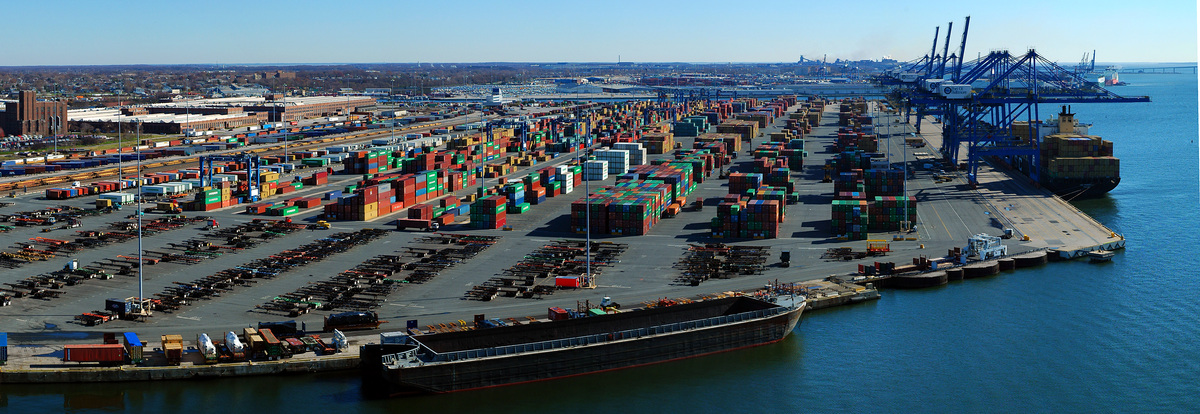
The incident also serves as a reminder of the fragility of modern supply chains. Even a brief, one-day interruption resulted in a dozen ships waiting, including large container ships and car carriers. The Port of Baltimore is a crucial hub, especially for automobiles. Any delay here has direct consequences for the entire industry.
The explosion also reminds us that transporting coal is not without risks. Methane gas, which can accumulate in cargo holds, is a known hazard that the US Coast Guard had previously warned about.