Man Overboard at CocoCay: How a Smartphone Accident on the Star of the Seas Became a Live Rescue Demo
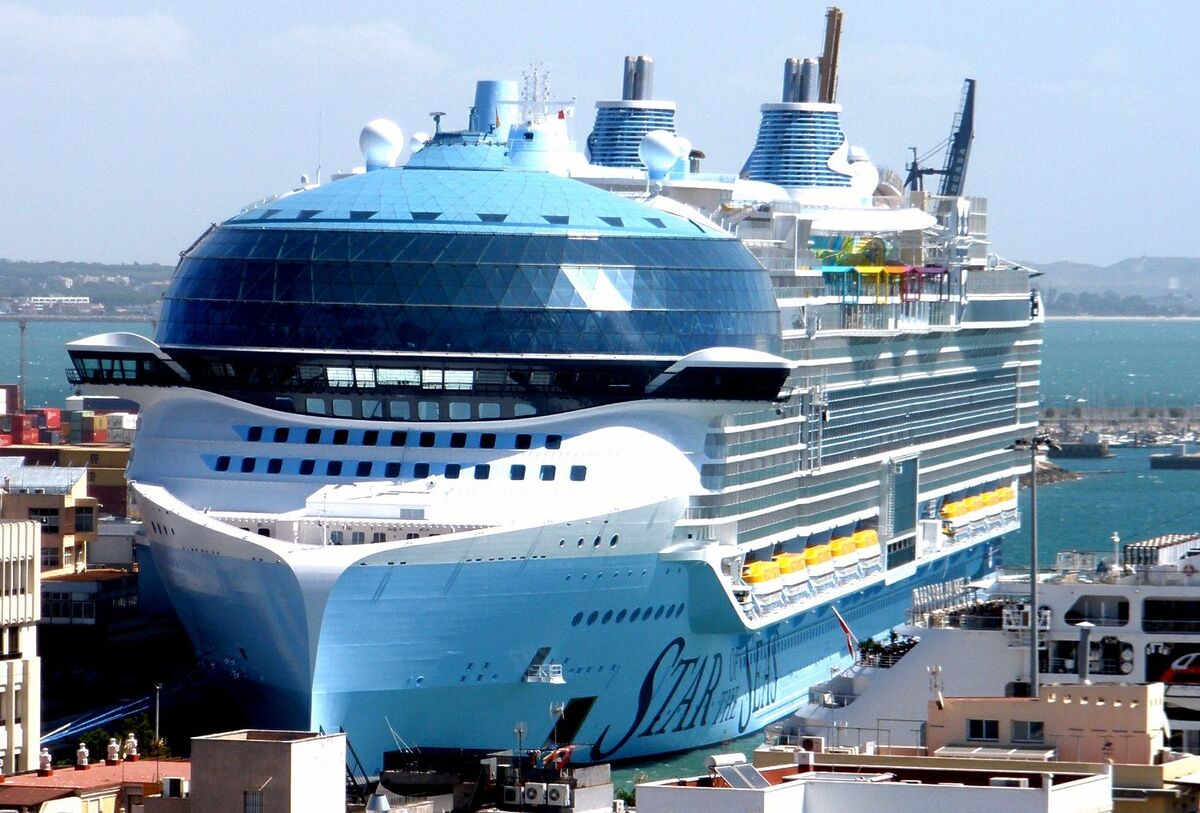
Shortly after 8:00 AM, the announcement "Oscar, Oscar, Oscar" echoes across the decks. For the crew and seasoned sailors, its meaning is immediately clear: the international emergency code for "Man Overboard." A passenger had fallen from the pier into the water. The celebratory atmosphere instantly gave way to tense focus.
What happened? A guest was so captivated by the majestic sight of the Star of the Seas that he pulled out his smartphone to capture it all on video. Completely focused on his screen, he lost his spatial awareness, missed the edge of the pier between the two gigantic ships, and fell into the water. A classic case of "smartphone blindness"—a phenomenon where the digital world completely obscures the real environment.
In a situation that could have quickly escalated into a PR disaster for the brand-new ship, the Royal Caribbean crew demonstrated unparalleled professionalism. The response was lightning-fast and perfectly adapted to the circumstances.
- Immediate Response: Life rings were instantly thrown into the water to provide buoyancy for the passenger and mark his position.
- The Game-Changer – a Jet Ski: Instead of launching a cumbersome rescue boat, which is standard procedure on the open sea, the team on-site made a brilliant decision. A jet ski, normally part of the island's recreational offerings, was repurposed into a rescue vehicle.
- Rescue in Record Time: The nimble jet ski reached the person in the water within minutes, pulled him out, and brought him safely back to shore.
The entire rescue operation took only a few minutes. The passenger was unharmed. An incident that could have ended tragically was transformed into an unintentional but impressive demonstration of the cruise line's competence and high safety standards.
This incident was more than just a rescue story with a happy ending. It was a live test for the crew in front of the most critical observers—and they passed with flying colors. Instead of generating negative headlines, Royal Caribbean proved that its safety protocols function perfectly even under real pressure.
At the same time, the incident serves as a serious reminder in our digital age. The desire to capture every moment can lead to dangerous distractions. It shows that the travel industry must find new ways to raise awareness about the risks of "smartphone blindness" without diminishing the joy of sharing vacation memories.
Ultimately, a potential crisis turned into a powerful testament to the crew's professionalism and an important lesson for all of us: sometimes, it's better to leave the phone in your pocket and enjoy the moment with your own eyes.